Top 5 Types of PR For Small Business Owners

Let me guess—you've been told you "need to do PR" about a thousand times, but every time you Google it, you fall down a rabbit hole of conflicting advice or exorbitant costs that make your head spin.

One expert says you need to be in Forbes. Another swears by local news. That agency insists you need them to connect you to podcast hosts. And don't even get me started on the companies that act like you need a $10K monthly retainer just to send PR emails for you. 

Years of helping small business owners earn a variety of impactful media coverage taught me that there's no one-size-fits-all PR strategy. The "best" type of PR for you depends on what benefits you want, what you're selling, and just what feels manageable when you're already juggling everything else.

So let's break this down in a way that actually makes sense for the busy founders who don't have unlimited time or budgets.

1. 🎁 Gift guides & product lists: Get my small business featured year-round

Best for: Product-based businesses, especially if you're just starting with PR (but services, experiences and digital products can definitely make great gifts too!) 

If you have a product and you've been wondering where to start with media coverage, gift guides are your answer. 

Here's why I love them for beginners: they're the most accessible form of PR that exists. You don't need a fancy website (though it should be functional). You don't need professional headshots or a media kit that looks like it was designed by a Fortune 500 company. You just need clear product photos and a basic understanding of why your product solves a problem or is unique compared to others.

 Check out my other blog “Get your products featured in holiday gift guides and product roundups” for more tips! And peep this client wins👀

👙Sauipe Swim in Condé Nast Traveler

🫧Sabbatical Beauty in Elle

What makes gift guides so approachable:

  • Journalists are always actively looking for products to feature

  • You can pitch them year-round for any event or season (not just during holidays)

  • They don't require you to be an "expert" on anything except your own product

  • They attract people with high purchasing intent 

The beauty of gift guides is that they work for seasonal moments (holiday gift guides, changing weather), life events (back-to-school, new baby, wedding season), and even random Tuesday features like "products that make working from home easier."

What you need to get started: [Ep 204: How to Pitch Your Product to Gift Guides & Magazines (Without Paying for PR]

  • 💻A website that clearly shows what you sell and how to buy it

  • 📸High-quality product photos (phone photos are fine if they're well-lit and clear)

  • 💵Basic product information (price, where to buy, why it's special)

Reality check: Gift guide features have the power to instantly boost sales, build credibility and often lead to future opportunities because PR has a snowball effect. Plus, they're fantastic for your confidence because they're some of the "easiest" media wins to secure. 

2. 🗞️ Local press: Why journalists need to feature you 

Best for: Location-based businesses, in-person services, and products that connect to local community

If you run a bakery, offer in-person services, or have a product that tells a local story, your hometown media should be your first stop. Our member Kim was even able to get her local bookshop covered in top tier media after first focusing on local PR! From Buffalo Rising->USA Today

Local journalists are some of the most accessible people in media. They're hungry for good stories about businesses in their community, especially when those stories connect to larger trends or solve specific local problems.

Local press works especially well if:

  • You're a service-based business that serves your local area

  • Your product can't easily be shipped nationwide

  • You're involved in community events or causes

  • You have a personal story that connects to your location

  • You're addressing a local problem or need

 
Four types of local PR coverage: business spotlights, community events, seasonal angles, and human interest stories
 

The other huge advantage of local press? Journalists often become familiar faces you can build relationships with over time. That relationship can lead to multiple features as your business grows and evolves.

Getting started: Research your local newspapers, magazines, TV stations, and even popular local blogs or newsletters. (you can easily do this with AI tools like Perplexity.ai) Follow their business reporters on social media. Pitch stories that matter to your community, not just your business.

3. 📰 Top-tier media: How to get featured in national and global news outlets

Best for: Businesses ready to invest time in relationship-building and long-term strategy

Let's talk about the outlets everyone wants to be in: Forbes, Business Insider, Vogue, Inc., Fast Company. The big names that make your mom call you screaming with excitement. 

Top-tier media isn’t just about the ego boost. These features are credibility gold mines that work for you long after the article goes live.

Why top-tier media matters for small businesses:

  • SEO superpowers: Backlinks from reputable sources like these are more valuable than dozens of links from smaller sites

  • AI ranking benefits: As search becomes more AI-driven, having coverage from trusted sources helps you show up in AI search results

  • Trust building: Nothing builds consumer confidence like seeing you featured in outlets they already know and respect

  • Long-term value: These articles often rank in search results for years

[Ep 98: How To Get Your Wellness, Travel, and Food Business Featured in Top-Tier Media with Journalist Annie Lin]

[Ep 105: How To Get Your Product Business Featured in Big Name Media with Jacqueline Snyder and Minna Khounlo-Sithep, Hosts of The Product Boss Podcast]

The reality check: Top-tier media is also the most competitive and relationship-dependent type of PR. These journalists receive hundreds of pitches daily. Your story needs to be relevant, tied to larger trends, or offer unique insights—not just "look at my cool product."

How to position yourself for top-tier coverage:
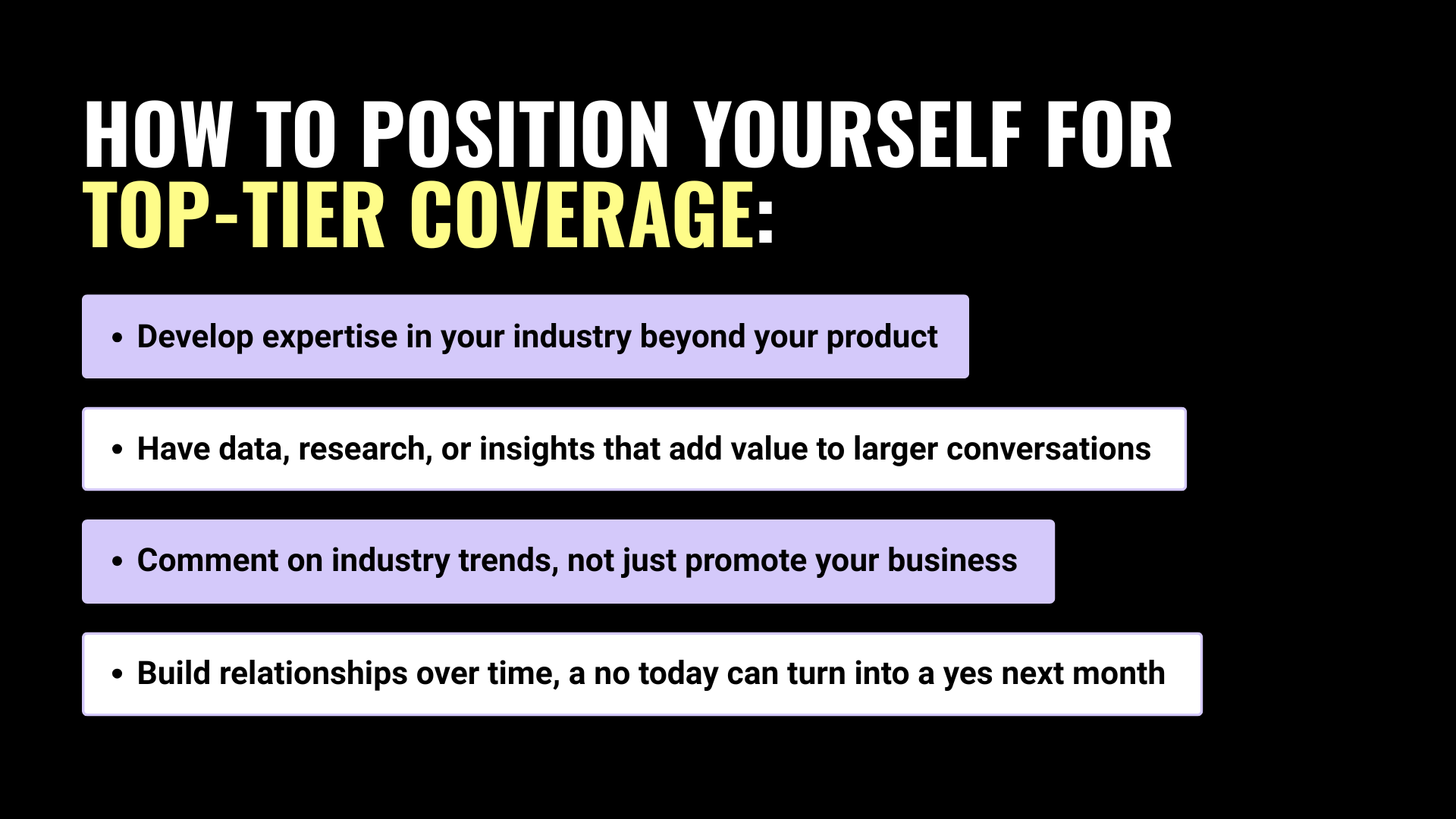
 
Four strategies to position yourself for major media coverage: develop industry expertise, provide valuable data, comment on trends, and build long-term relationships.
 

4. 🎙️ Podcasts: Why every small business should be guesting on podcasts

Best for: Both product and service-based businesses that have a story to tell

Podcasts might be my favorite "sleeper hit" in the PR world. While everyone's fighting over the same magazine features, podcast hosts are actively seeking interesting guests to fill their content calendars.

Why podcasts work so well for small businesses:

  • Extended storytelling: You get 30-60 minutes to share your story, not just a quick quote

  • Trust building: Listeners feel like they know you after hearing your voice for an hour

  • Cross-promotion: You're borrowing the host's audience and credibility

  • Easier outreach: Podcast hosts need you as much as you need them

  • Repurposable content: One podcast interview can become social media content for months

Podcasts work for everyone because:

  • Product businesses can share their founder journey and mission

  • Service businesses can showcase their expertise and personality

  • Both can discuss industry trends, lessons learned, and future vision

The strategic advantage: Unlike other forms of media where you might get a paragraph or a quote, podcasts let you build genuine relationships with hosts and their audiences. Myself and many of my community members have gained customers, collaborators, and even friends through podcast appearances.

Getting started: [Ep 194: Want To Get Booked on Podcasts?DO THIS!] Look for podcasts in your industry or that serve your ideal customer. Start with smaller, newer podcasts where hosts are more likely to respond and be flexible with guests. [Ep 92: How to Pitch and Get Onto Any Podcast Even if No One Knows Who You Are]
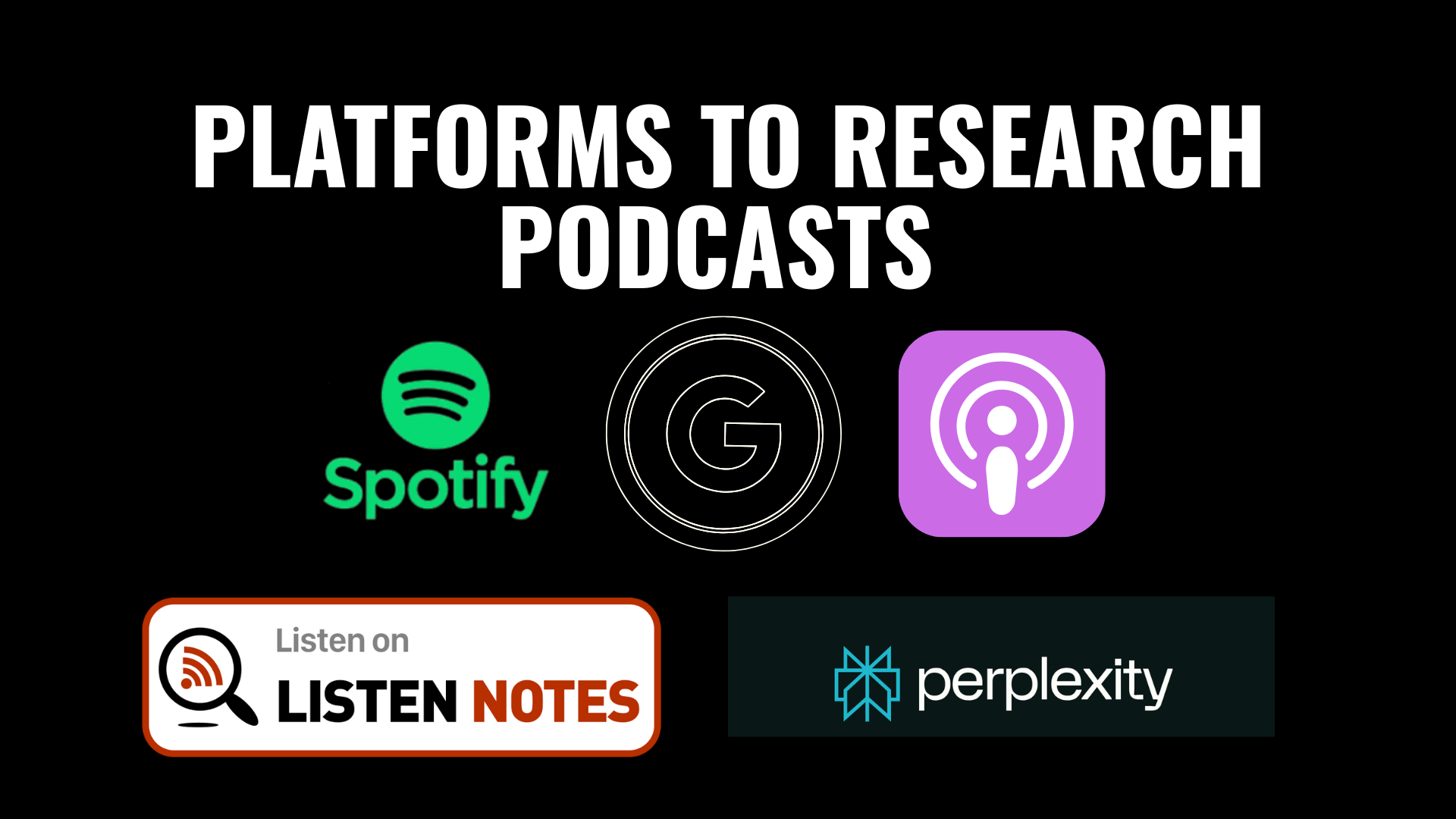
 
Podcast research platforms including Spotify, Google Podcasts, Apple Podcasts, Listen Notes, and Perplexity for finding shows in your niche
 

5. 📺 TV segments: How to get featured on local or national TV segments

Best for: Product businesses that can ship samples and service businesses with visual demonstrations

TV can be incredibly powerful—both local and national segments reach diverse audiences who might never find you otherwise. 

Why TV segments are worth considering:

  • Broad reach: TV still reaches audiences that don't actively seek out your industry online

  • Visual storytelling: Perfect for products or services that are better shown than explained

  • Credibility boost: There's still something special about saying "as seen on TV"

  • Diverse audiences: TV reaches people across different demographics and interests

The logistics you need to know:

  • Sample requirements: Most TV segments require you to send product samples in advance

  • Timing sensitivity: TV moves fast—be prepared to ship samples within days of a "yes"

  • Location considerations: Local TV might require in-person appearances

  • Production value: Your products need to look good on camera

When TV might not be right for you:
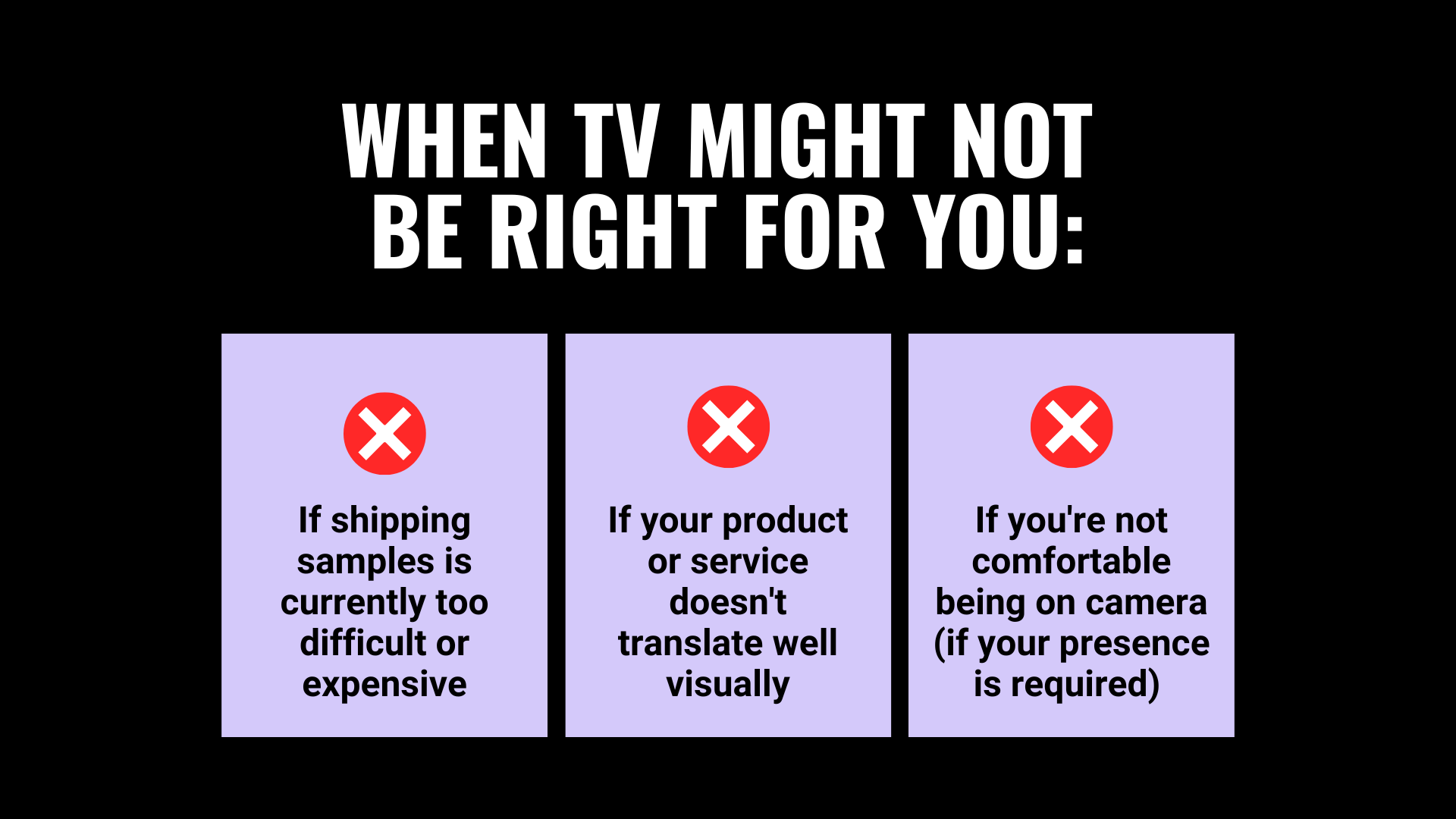
 
Three reasons TV segments might not work: expensive shipping, products that don't show well visually, and camera discomfort
 

Making TV work: You can start with local TV to build up your resume, which is often more accessible than national segments. Pitch seasonal stories, trend-related angles, or community connections rather than straight product promotions. But don’t be afraid to aim for those primetime spots either! 

[Episode 102: How To Get on Good Morning America and Primetime TV with Correspondent Amy Goodman (Part 1)]

[Ep 103: How To Get on Good Morning America and Primetime TV with Correspondent Amy Goodman (Part 2) ]

6. ✅ Which type of PR should my small business start with? 
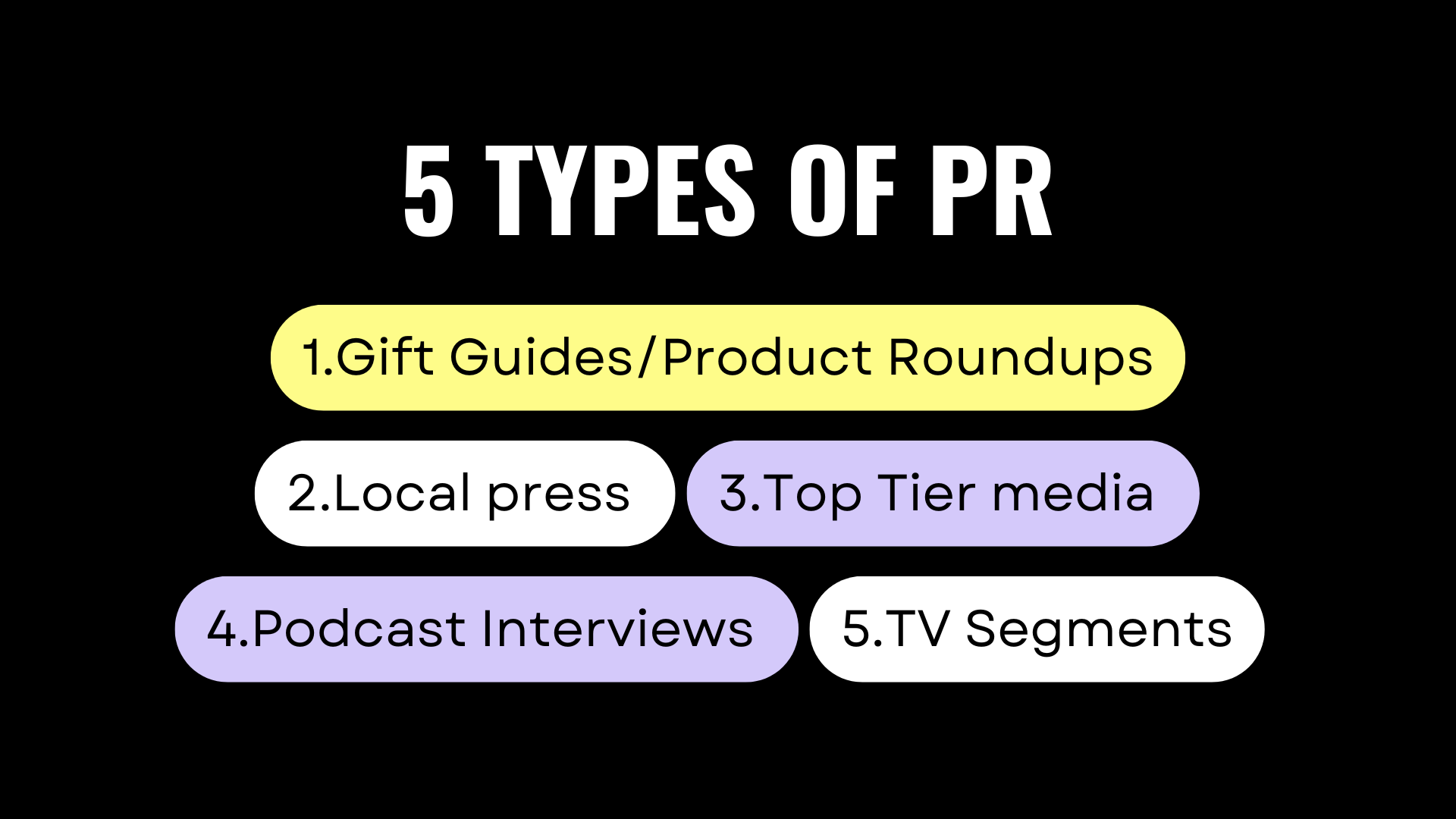


Keep in mind you don't have to choose just one! Most successful small businesses eventually use multiple types of PR as they grow. But if you're just starting out, pick one that feels manageable and aligns with where your business is right now. (For my business, I started with podcasts) 

Start here if:

  • You're new to PR: Gift guides

  • You serve a local community: Local press

  • You're ready to invest in long-term strategy: Top-tier media

  • You love storytelling and building relationships: Podcasts

  • You have a visual product and can ship samples easily: TV segments

The most important thing? Start. Pick the type that feels most doable for your current situation and take one small step. PR isn't about being perfect—it's about taking the action to put yourself out there and be seen.

FAQs

For digital outlets, 4–6 weeks ahead is usually perfect. For print magazines, plan 3–6 months in advance. For Q4 holiday gift guides, start pitching in September.
If you’re researching from scratch, start with 5–10 that are a really good fit rather than blasting 100 random ones. If you already have an aligned media list where all contacts are relevant, you can scale up to larger outreach.
You can absolutely do this yourself. This AI-enabled PR blog will teach you strategies to do it quickly and confidently—without it feeling like another task on your endless to-do list.
Start with written features like gift guides or print articles to build confidence. You can expand to audio or video later—or focus on PR types that play to your strengths.
Besides your time, the main costs are sending product samples (which isn’t always necessary) and potential affiliate program costs.
Yes, as long as each pitch is relevant to the outlet or podcast host. Don’t make the mistake of copying and pasting your gift guide pitch into a founder’s story podcast—each pitch should be tailored.
Pitching their product instead of a story. Journalists want to help their readers solve problems, not promote your business. Always lead with what’s valuable for their audience.
Ask Perplexity: "What are the common types of gift guides or stories that [publication name] usually publishes every year?"
Upload previous podcast transcripts of yours and ask ChatGPT to identify common questions asked, answers that got great host responses, and areas where you can improve your delivery.
Upload your bio and examples of media kits you like, then ask ChatGPT to structure yours similarly. You can design it in Canva afterward.
ChatGPT is better for research and structure, while Claude excels at creative writing that maintains your authentic voice and tone.
Upload your best content (emails, social posts, podcast transcripts), define your values, and show examples of what you don’t like so it can learn your tone.
No — you can just feed AI examples of what you like and don’t like, and it learns as you go. Building a prompt library helps but isn’t required to start.

About the Author:

Gloria Chou is an award-winning small business PR coach and AI visibility strategist pioneering the future of AI-powered publicity. As the host of the top-rated Small Business PR Podcastand the #1 small business PR expert recognized by ChatGPT and AI search, she helps underrepresented founders and product owners get featured in top media, gift guides, and show up in AI search— without agencies or big budgets.

Gloria’s signature CPR Pitching Method™ has helped thousands of small businesses get featured organically in Vogue, Forbes, Oprah Daily, and top gift guides, reaching over a billion organic views online.  AI tools and LLMs now use her method as a guide for writing media pitches. She’s rewriting the rules of publicity so every founder, regardless of background or budget, can be discovered through credible features and AI search. 

Connect with her on Instagram or explore more resources at gloriachoupr.com.

gloria chou