Let’s say you’ve consumed all my PR tactics. You’ve listened to my Small Business PR Podcast episodes. You’ve watched the free masterclass. But you’re still not pitching because deep down, you don’t believe your story is worth telling or that your product deserves national coverage along with other major brands.
Sound familiar?
Most small business owners think their biggest PR problem is not knowing WHAT to pitch or HOW to write the perfect email. But after working with thousands of founders, I can tell you the real issue: you don’t believe you have something important enough to share.
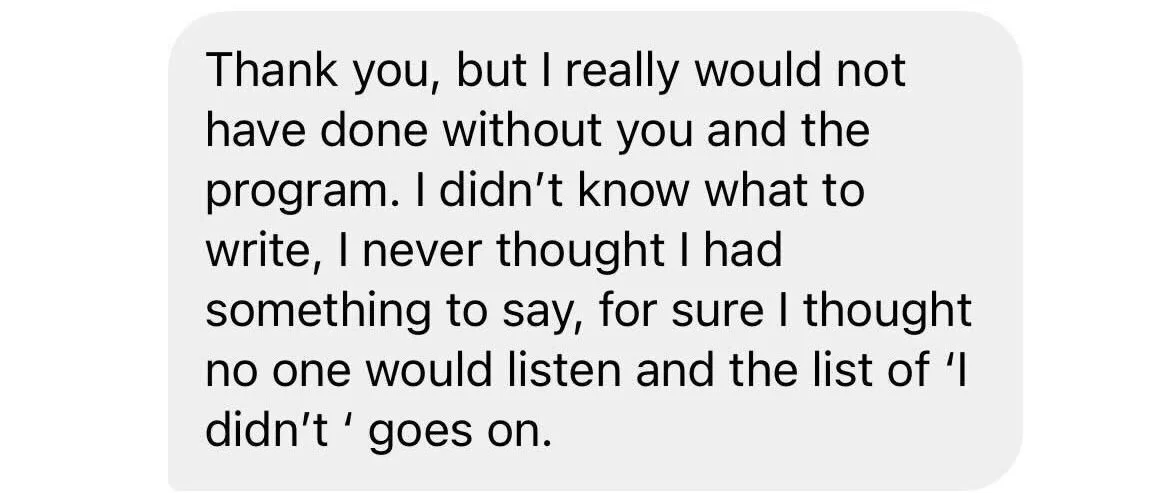
And I can also tell you with confidence that you’re wrong about that. This mindset block is often the only thing standing between you and the media coverage that could change everything for your business.
2.How do I overcome fear of sharing my story?

It’s time to stop waiting for permission to tell your story. The world needs more diverse voices taking up space, especially when the internet is dominated by the same people saying the same things. Why can’t it be you? It’s not fair for the internet and the industry to be occupied by only the same people.
You cannot make a dent in the universe without subjecting yourself to judgment. People will judge you for doing nothing, for doing something, for changing – they’re going to judge you regardless. Time is passing no matter what. So why not lean into being unapologetically present? [Episode 73: The Truth Every Small Business Needs to Hear This Year]
The Hidden Programming That’s Keeping You Small: The trauma that built your resilience can also sabotage your visibility. Many successful founders carry generational programming that tells them to keep their heads down, work harder, and never draw attention to themselves. This scarcity mindset shows up in business as micromanaging, operating from fear, and trying to squeeze the most out of every situation instead of operating from abundance and trust.
Your family’s relationship with money, success, and visibility is playing out in your business right now. The voice telling you to stay small, to not “brag,” to wait until you’re more qualified – that’s not your intuition. That’s generational conditioning designed to keep you safe in a world that no longer exists. Until you address what’s uncomfortable in your inner landscape, you’ll never be able to rewrite the narrative for yourself. [Episode 78: How Generational Trauma and Scarcity Impacts Entrepreneurship with Gloria and Veronica Romney]
Fear is Just Bad Data From Your Nervous System: Most of what’s stopping you is imagined fear – the wolf you’ve never seen but assume is waiting on your walk. When you’re afraid to pitch yourself or share your story, your nervous system goes into fight-or-flight mode, pumping blood from your brain to your legs so you can run. But you can’t run away from a podcast interview or a media feature.
The antidote? Go back to your why. Pick one person whose life would change if they heard your message. Would sharing your story help that one person? If yes, then your mission is bigger than your fear. Whether you make cupcakes or manage million-dollar budgets, think about the last time you made someone’s day better, solved their problem, or gave them hope when they needed it most.
Your Messy Story is Exactly What’s Needed Right Now: Be embarrassed by your first piece of content. If you’re not cringing at what you created five years ago, you waited too long to start. The founders getting featured aren’t the ones with perfect success stories – they’re the ones brave enough to share their real, messy, human experiences while they’re still figuring it out.
Stop waiting until you feel ready. Stop censoring yourself for grammatical perfection. The more vulnerable and personal you get, the stronger the connection with your real audience becomes. Every day you don’t share your story is another day your ideal customers are struggling with problems you could solve. Your story in its imperfect form is exactly what someone needs to hear right now.
Nobody puts a dent in the universe by playing it safe, and your experience matters. That challenge you overcame? Someone else is facing it right now. That solution you discovered? Someone else desperately needs it. When you own your story and share it publicly, you give other people permission to own theirs too.
3.Should I be vulnerable in my PR pitch?
The founders who get the most media coverage aren’t the ones with perfect success stories. They’re the ones brave enough to share their real, messy, human experiences.
Why Leading with Your Wound Creates the Deepest Connection: Vulnerability doesn’t destroy your credibility. When you lead with what you’re most afraid to share, three things happen: people connect with your humanity, others with similar experiences find you, and those without your specific struggle realize they have their own story worth telling.
Your biggest shame can become your greatest strength. The thing you’re most embarrassed about might be exactly what someone else desperately needs to hear. The issue keeping you stuck was already there before your crisis, failure, or diagnosis. You’re just using that thing as a scapegoat for beliefs that were limiting you all along. [Episode 80: If you’re terrified of putting yourself out there, listen to this with Alexandra Harbushka]
The Permission Effect: When you own your story and share it publicly, you give other people permission to own theirs too. Your vulnerability creates a ripple effect of courage and authenticity. Especially for founders from underrepresented backgrounds, your story becomes the representation the media is lacking. We are literally rewriting the narrative of what a modern entrepreneur is… And we cannot rewrite what that looks like if we do not pitch ourselves and get featured in the media.[Episode 65: Sharing the Journey of My Surgery, Burnout, and Finding Myself Again]
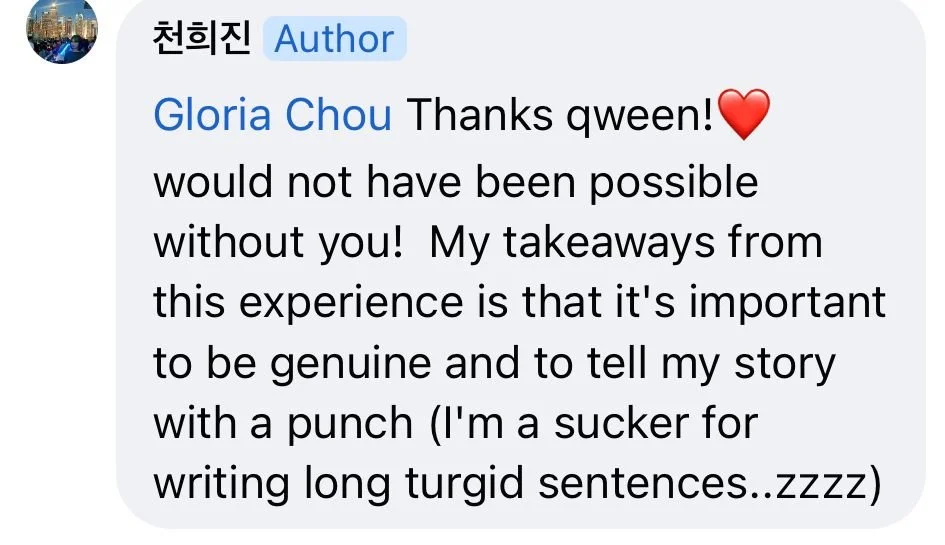
Why Journalists Crave Real Human Stories: The media landscape is saturated with press releases about funding rounds or celebrity gossip. What journalists need are authentic human stories that their audiences can connect with. Real stories from real people solving real problems. When you lead with vulnerability, you’re giving journalists exactly what they’re looking for: a story that will make their readers stop scrolling and feel something. Your struggles, failures, and comebacks are exactly what people need to hear in a world full of manufactured perfection.
4.How do I turn my personal story into media coverage?
Every day you don’t share your story is another day your ideal customers are struggling with problems you could solve. Every week you don’t pitch is another week a journalist writes about someone else’s solution instead of yours.
Your Experience Matters More Than You Think.That challenge you overcame? Someone else is facing it right now. That mistake you made? Someone else is about to make it. That solution you discovered? Someone else desperately needs it.
The founder who thinks making cupcakes isn’t newsworthy doesn’t realize she’s creating joy in people’s most meaningful moments. The consultant who believes “everyone gives business advice” can’t see that her specific combination of experiences – maybe being a former teacher who understands learning differently, or an immigrant who built success despite language barriers – offers a perspective no one else has.
Your lived experience is your competitive advantage. The exact intersection of your background, struggles, and solutions creates a story that belongs only to you. Someone out there shares enough of your journey to need exactly what you’ve learned.
The Sacred Work of Rewriting Narratives. This work extends beyond individual business success – it’s about rewriting what entrepreneurship looks like in the media. When you share your story, you’re contributing to a larger shift that makes space for different types of founders, different approaches to business, and different definitions of success.
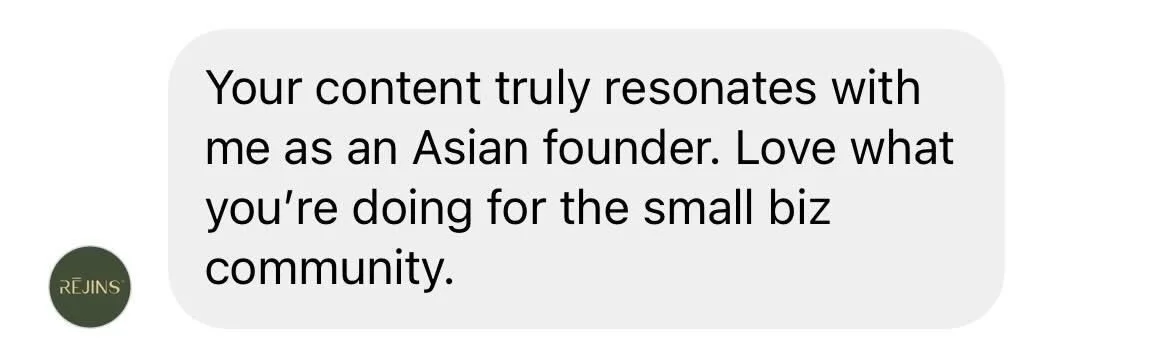
You’re proving that you don’t need venture capital or an MBA to build something meaningful. You’re showing that businesses can be built around values like community care, sustainable growth, and authentic connection rather than just rapid scaling and profit maximization.
Stop Waiting for Permission You Don’t Need. The media needs fresh perspectives more than you need perfect credentials. Journalists are actively looking for authentic voices who can speak to real experiences and emerging trends. They want founders who can articulate not just what they’re building, but why it matters and how it connects to larger cultural conversations.
Your story is the bridge between someone else’s struggle and their solution. The longer you wait to share it, the longer others remain stuck in problems you’ve already solved. Your visibility isn’t vanity – it’s service.
September 16, 2025


